
Self-Portrait
1971-10-27 · 5 minutes
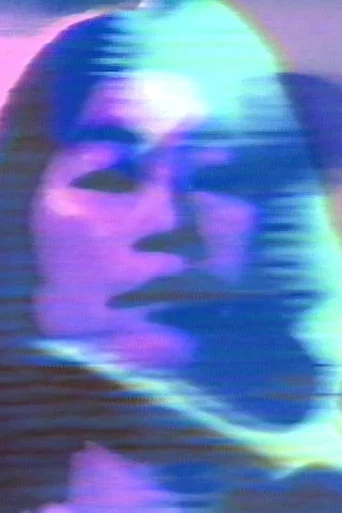
Access to video technology had largely been limited to corporate-run TV studios until the Sony Portapak, a battery-powered video tape recorder that could be carried by one person, was popularized in the early 1970s. This device also allowed artists to see what they were recording in real time and to immediately play it back, prompting investigations of technology’s increasingly fluid relationship to the body, language, and time itself. Shigeko Kubota’s ”Self-Portrait” embodied the boundless potential of the new medium and the freedom from precedent it represented. This work, in which Kubota interacts with her own image, contains some of her earliest known experimentation with video. Here, she used new tools to manipulate the electronic signal, creating previously unimaginable colors and patterns, and unraveling established conventions of image-making right before our eyes. [Overview courtesy of Erica Papernik-Shimizu via MoMA]
Open playerThe player becomes available when the page loads. Availability, quality, audio and subtitles depend on the selected provider.
Before watching Self-Portrait
Allow 5 minutes for the listed feature runtime.
The original language is English. This does not confirm that a particular player has dubbed audio or subtitles; check its own track menu.
Facts and synopsis: TMDB.
Cast
 Shigeko Kubota
Streaming availability in India
No streaming offer for India was confirmed by the catalog check. Check the provider directly for the latest availability.
Streaming availability data supplied by JustWatch through TMDB. It does not verify third-party playback servers.
Choose by genre and original language
Compare stories, cast, release dates and runtimes before choosing a movie. Current popularity is different from audience ratings; use the collection that fits your question rather than treating either as a guarantee of quality.