
Nuclear Armageddon: How Close Are We?
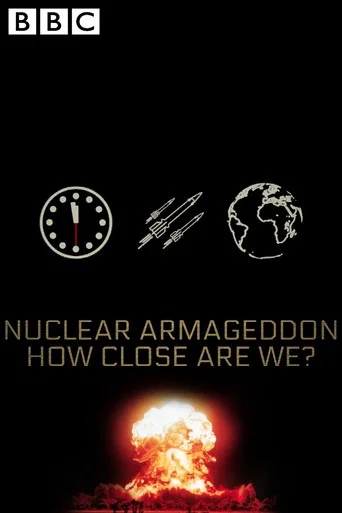
2024-01-18 · 59 minutes · Documentary
With the Doomsday Clock the closest it's ever been to midnight, Jane Corbin investigates the proliferation of nuclear weapons across the globe. She visits Los Alamos, home to the United States’ nuclear weapons development facility and the historic home of Oppenheimer’s Manhattan Project. In Scotland, she reveals the strategy behind Britain’s nuclear deterrent, and speaks to campaigners in Suffolk fighting against US weapons they fear will be based on UK soil. Jane also discovers how many of the global agreements and safeguards that have constrained the spread of nuclear weapons since the 1970s are breaking down. This is a story told by the scientists, investigators and diplomats who set the clock and have fought to ensure that the ultimate deterrent has not been used in over 70 years.
Open playerThe player becomes available when the page loads. Availability, quality, audio and subtitles depend on the selected provider.
Before watching Nuclear Armageddon: How Close Are We?
Nuclear Armageddon: How Close Are We? is listed as Documentary. Use the story summary and cast to decide whether its subject and style match what you want to watch; catalog popularity and audience ratings describe different things.
Allow 59 minutes for the listed feature runtime.
The original language is English. This does not confirm that a particular player has dubbed audio or subtitles; check its own track menu.
Facts and synopsis: TMDB.
Cast
 J. Robert Oppenheimer
Streaming availability in India
No streaming offer for India was confirmed by the catalog check. Check the provider directly for the latest availability.
Streaming availability data supplied by JustWatch through TMDB. It does not verify third-party playback servers.
Related movies
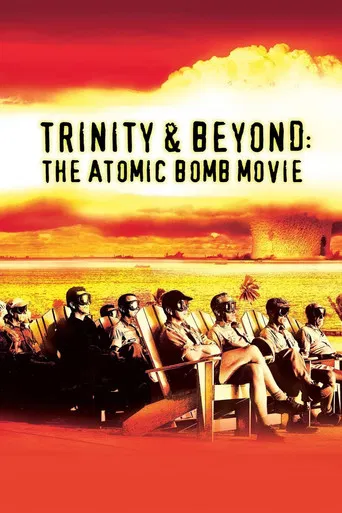 Trinity and Beyond: The Atomic Bomb Movie1995 · Movie
 The Term. Beginning of a Big Story2014 · Movie
 Un Hombre llamado Bronco2014 · Movie
 Crossing the Divide2025 · Movie
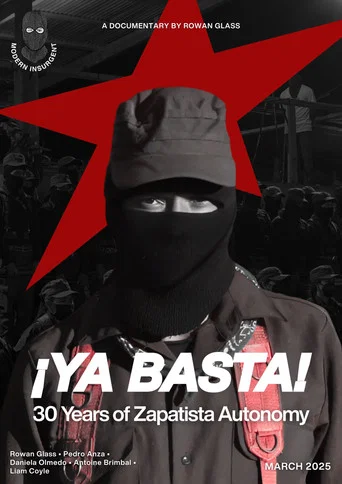 ¡Ya Basta! 30 Years of Zapatista Autonomy2025 · Movie
 Camp Century: The Hidden City Beneath the Ice2020 · Movie
 The Cartel: The Masterminds of the Rigged K-vote2026 · Movie
 Russland: Verbotene Geschäfte2024 · Movie
Choose by genre and original language
Compare stories, cast, release dates and runtimes before choosing a movie. Current popularity is different from audience ratings; use the collection that fits your question rather than treating either as a guarantee of quality.